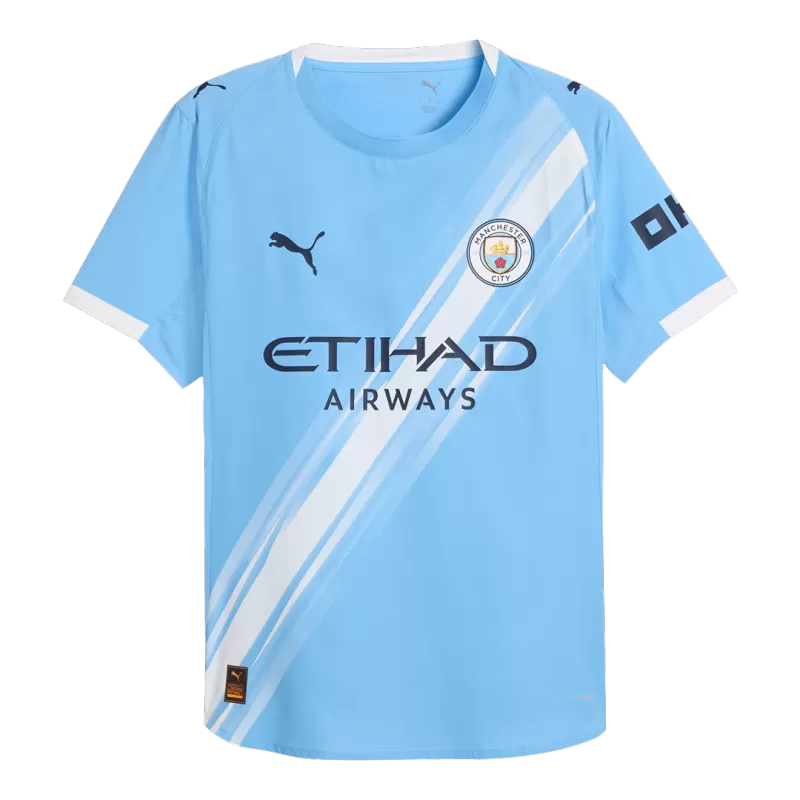
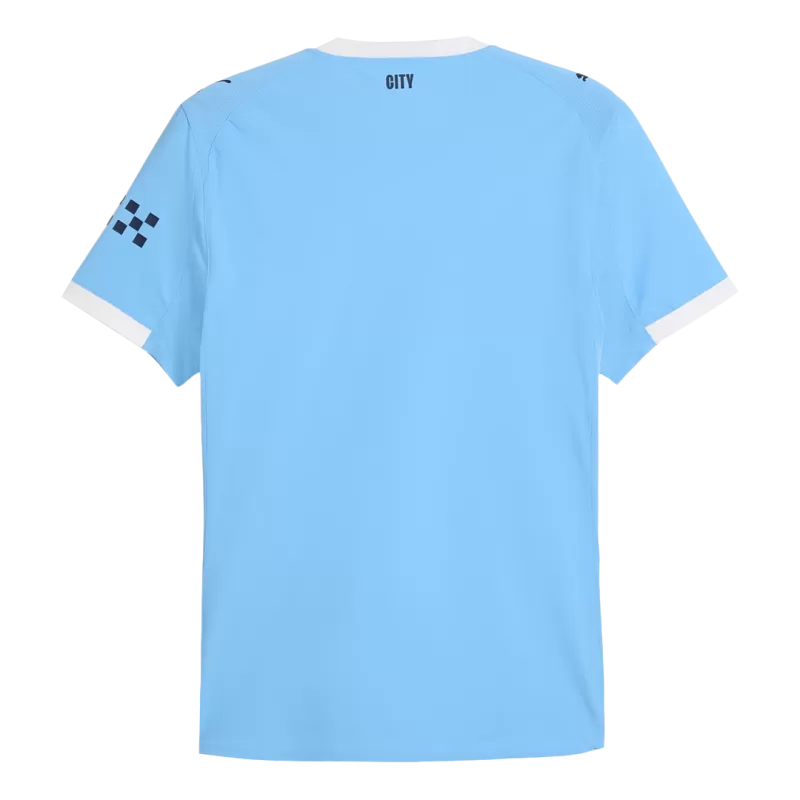
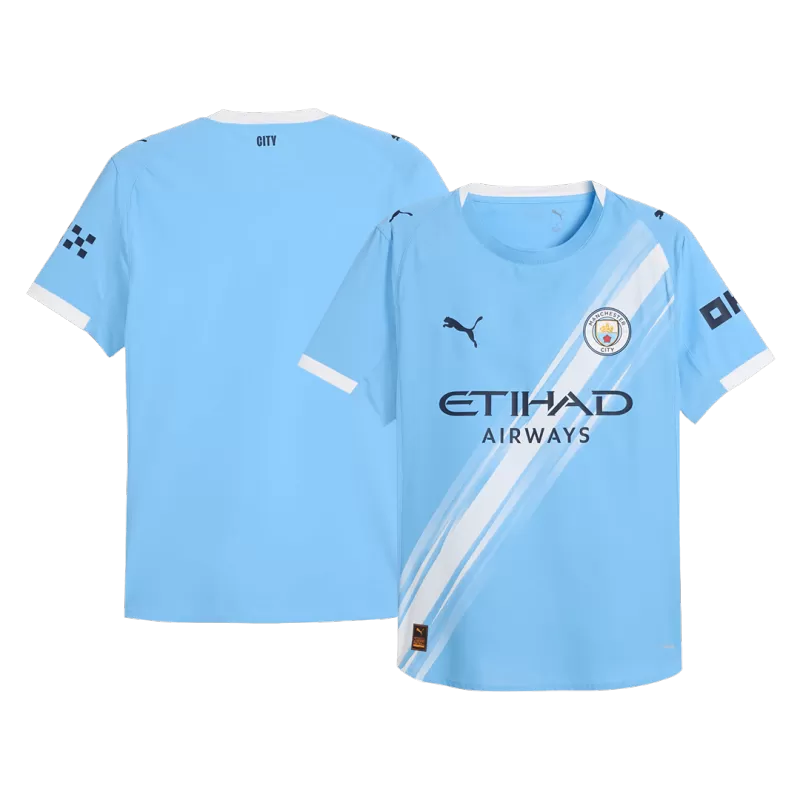
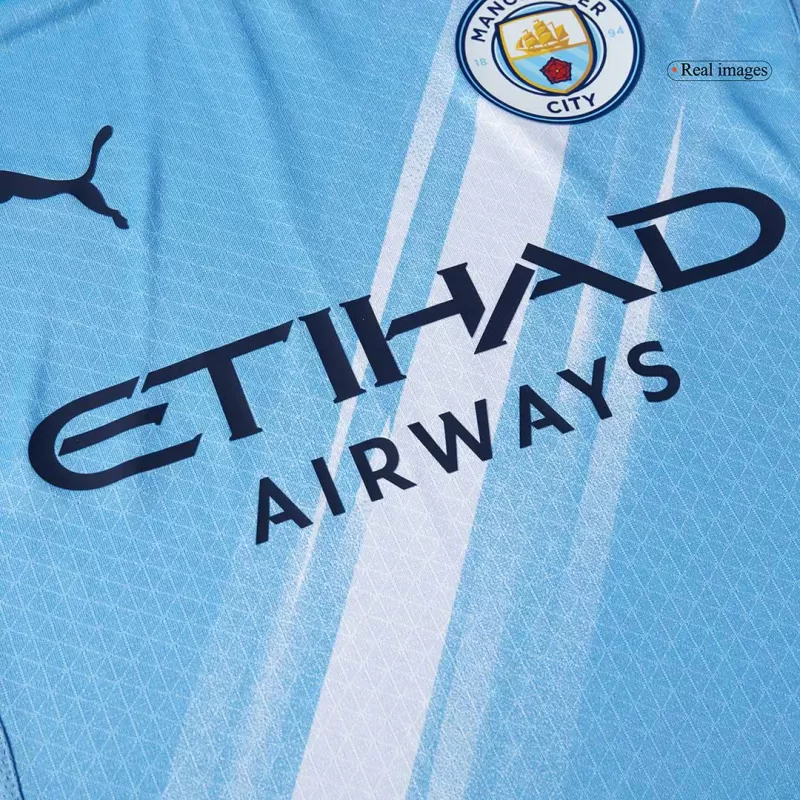
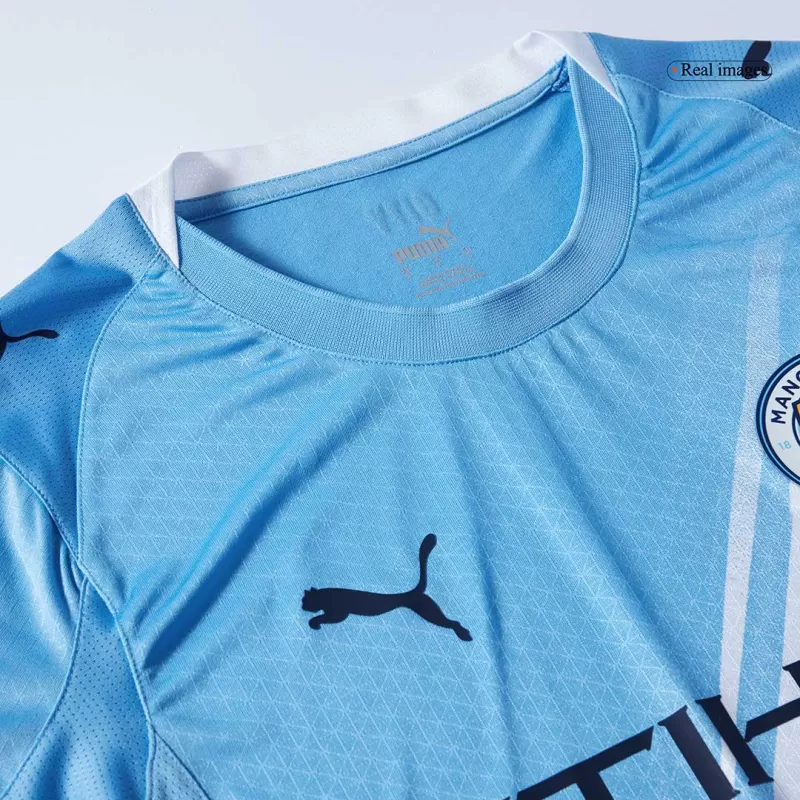
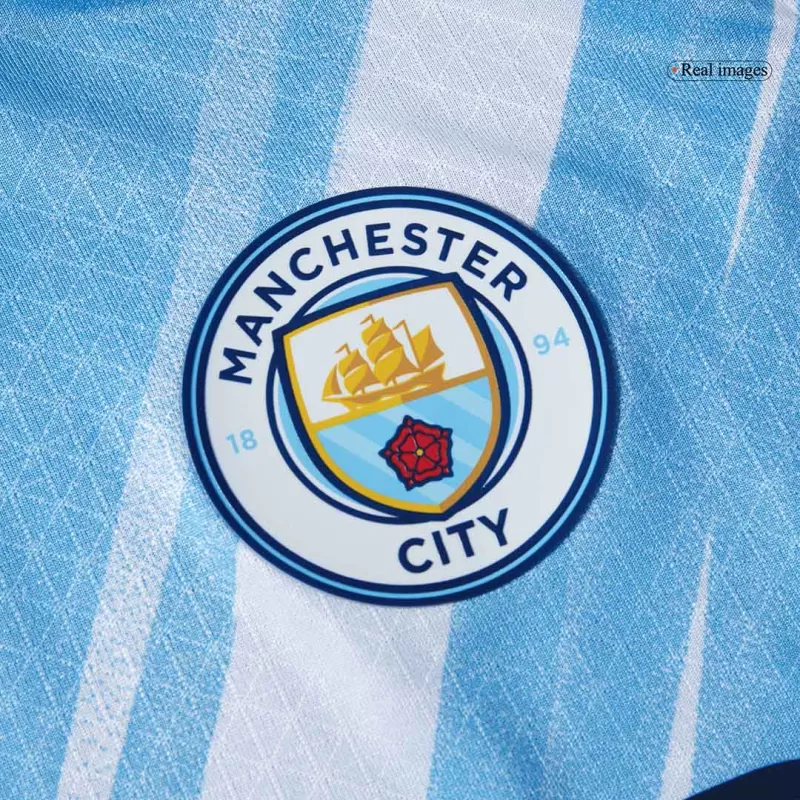
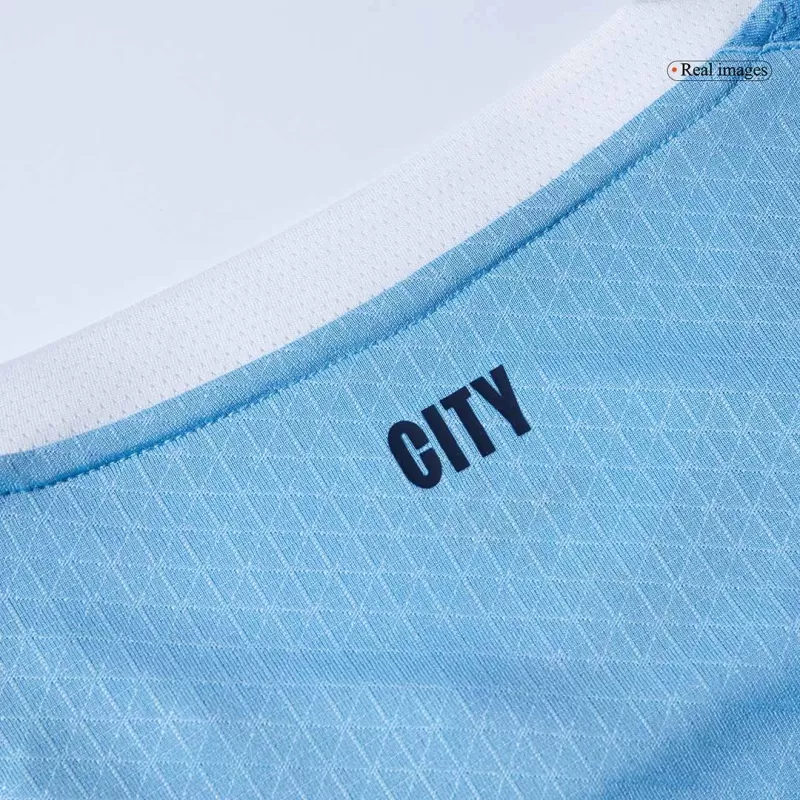
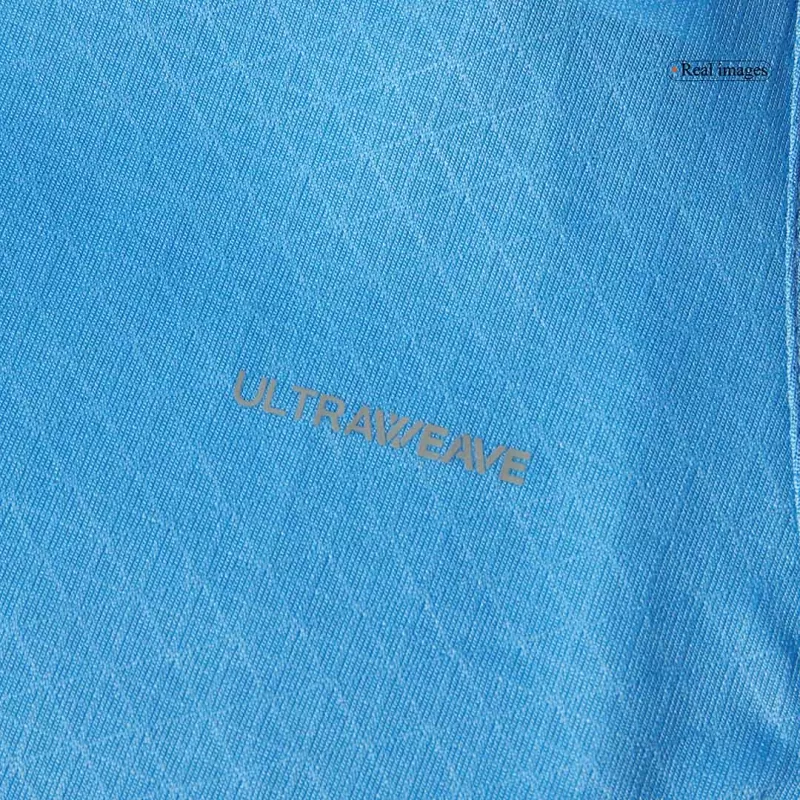
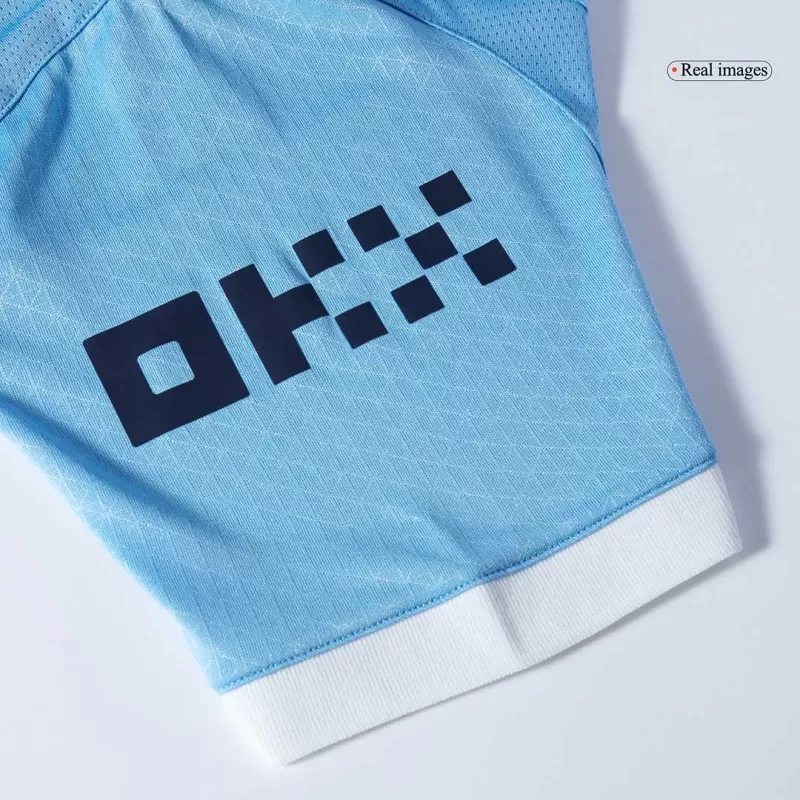
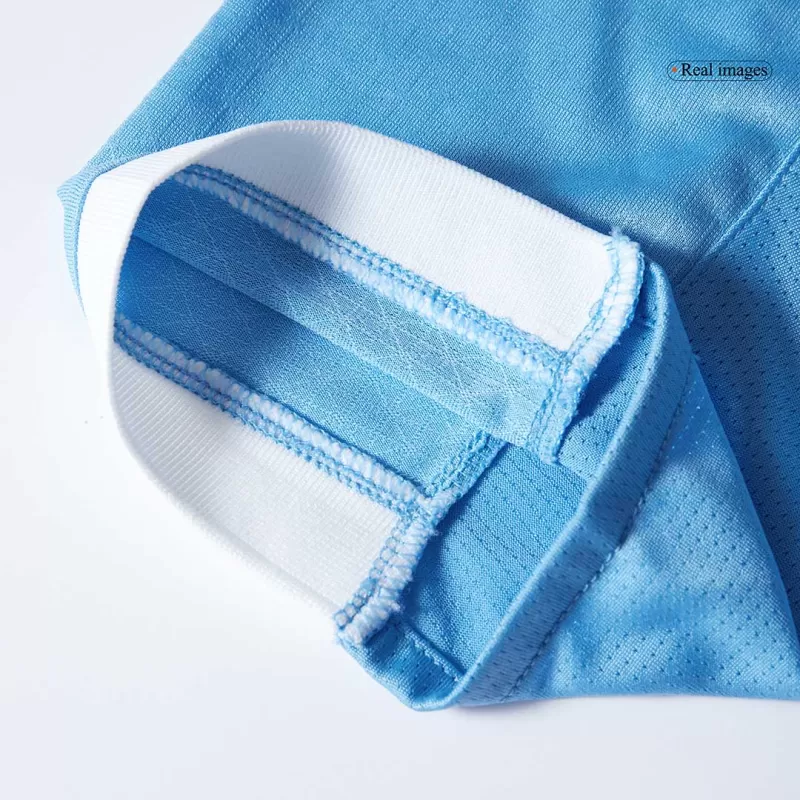
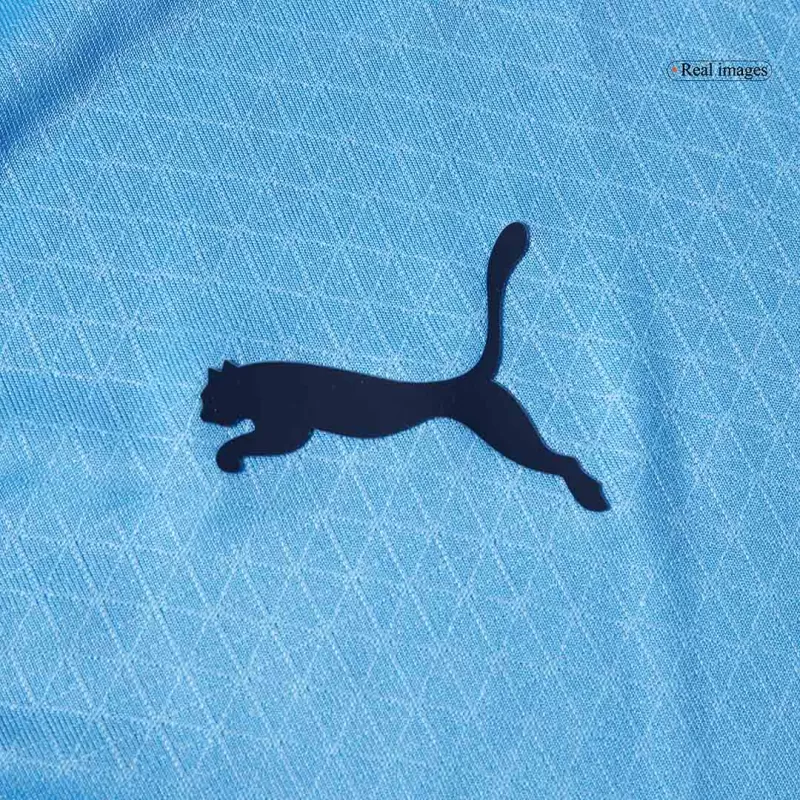
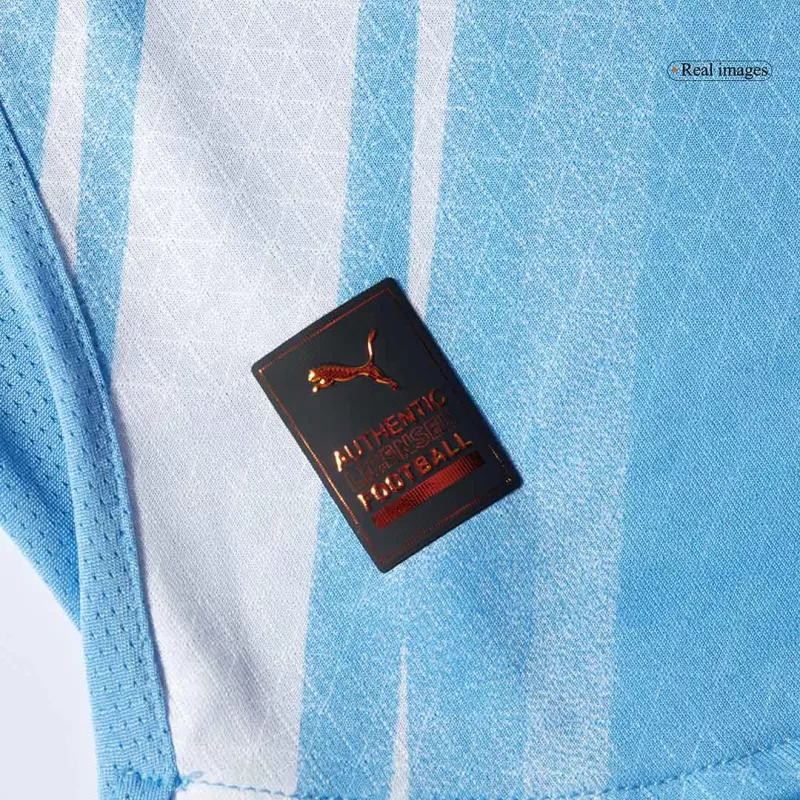
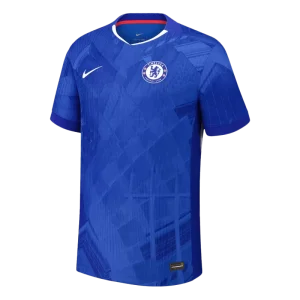
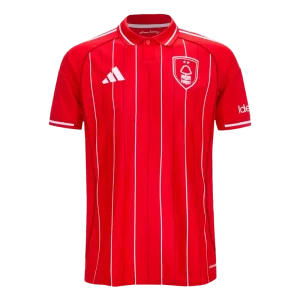
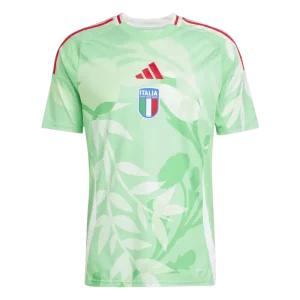
A subtle, intricate pattern is woven into the fabric, echoing the iconic bee, a symbol of our strength and history. This isn't just a shirt; it's a second skin for the fans and players who carry the legacy of the Citizens. The fabric is crafted to move with you, providing a feeling of lightness and freedom whether you're on the pitch or in the stands. It’s a jersey for those who believe in our beautiful game and our beautiful club.
The number 7 at City is a shirt of magic, worn by artists and game-changers. When Omar Marmoush arrived, his journey from the Bundesliga to the pinnacle of English football was a testament to a burning, unwavering self-belief. He chose the #7 not as a weight, but as a beacon. It represents his audacity—the darting, incisive runs, the fearless take-ons in the box, and the cold-blooded finishing of a player who believes he belongs among the stars. For Marmoush, the number is a symbol of his dream realized, a commitment to bring flair, directness, and a touch of the unpredictable to Pep Guardiola's perfectly choreographed symphony.
The number 9 is the most primal number in football. It is the mark of the hunter, the finisher, the ultimate weapon. And there is no more perfect embodiment of it than Erling Haaland. His arrival at City was a seismic event, a union of the world's most devastating force with the world's most creative machine. Haaland didn't just take the #9; he reclaimed it for what it truly means: pure, ruthless, overwhelming goals. Every time he pulls it on, it is a promise of chaos in the opposition's penalty area. It represents his terrifying blend of brute strength and lightning speed, his innate sense of space, and his insatiable hunger for goals. The #9 is his identity. It is not just a number on his back; it is a warning on the backs of every defender he faces.
At Manchester City, the number 10 is the shirt of the sorcerer. It is the playmaker's throne, reserved for the one who sees the game in a different dimension. The acquisition of Rayan Cherki was a quintessential City move—securing a jewel of world football for his genius potential. For Cherki, the #10 is a natural skin. It is the number of the artist, the showman, the player for whom the football is a wand. It represents outrageous skill, visionary passing, and the audacity to attempt the extraordinary. Donning the City #10 is a statement that he is ready to become the central conductor of the most sophisticated attack in the world, to add a layer of breathtaking flair to Guardiola's chess match.
The number 11 is the shirt of the winger, the embodiment of exhilarating, unpredictable speed. Jérémy Doku didn't just choose this number; he was born for it. His signing was a declaration of City's desire to inject raw, unfiltered chaos into their controlled dominance. On Doku's back, the #11 is a warning label. It represents his terrifying ability to drop a defender's hips with a single shimmy, his blistering pace that stretches pitches into wide-open highways, and his improved final ball. He is the jolt of electricity, the crowd's catalyst for a roar, and the number #11 is the perfect symbol for his brand of heart-in-mouth, exhilarating football.
Some numbers become legendary not by their traditional meaning, but by the man who wears them. The number 16 is now Rodri's number. It is synonymous with unshakable composure, tactical intellect, and metronomic perfection. Rodri is the foundation upon which everything else is built. His number doesn't represent flashy goals (though he scores vital ones) or dizzying skills. It represents control. It is the anchor, the shield, the first and most important pass that sets the entire City machine in motion. The #16 is a symbol of quiet, unassuming, and utterly indispensable power. It is the heartbeat of the team.
Phil Foden’s #47 is the most special number of them all. In an era where players chase iconic low numbers, Foden’s decision to retain the #47 is a powerful statement of identity and loyalty. This was the number he was given as a boy emerging from the academy, and he has forged it into a symbol of greatness. It represents a homegrown kid who dared to dream and became the soul of his boyhood club. The #47 is a reminder that talent is nurtured, not just bought. It is the number of the technically sublime, two-footed wizard who can win a game from any position. It is not a traditional number; it is his number. And in the future, it will be remembered as the number of a Manchester City legend who never forgot where he came from.
The design of the 2025/26 Manchester City home kit draws its inspiration from the historic Rochdale Canal, a timeless symbol of the club's passionate supporters. The subtle, repeating pattern on the jersey mimics the intricate waves of the canal, forever fixed at a moment of triumph. This isn't just a nod to a bygone era; it's a reminder that every chant matters, that the past informs the present, and that our history is the foundation for future glories. This jersey embodies a sense of perpetual motion and a commitment to the relentless pursuit of victory. It's a tribute to the legacy that shaped us and a promise to the future we are building, one cheer at a time.
Frequently Asked Questions
⚽
What is the design inspiration for the 2025/26 Manchester City home jersey?
The design is inspired by the historic Rochdale Canal, representing a connection to the club's supporters with a subtle, repeating wave pattern woven into the fabric.
⚽
What does the bee symbol on the jersey represent?
The bee is an iconic symbol of the club's strength and history, subtly integrated into the fabric pattern of the shirt.
⚽
Why does Phil Foden wear the number 47 jersey?
Phil Foden chose to retain the #47 as a statement of identity and loyalty, honoring the number he was given when emerging from the academy.
⚽
What makes the jersey fabric suitable for both players and fans?
The fabric is specially crafted to move with the body, providing a lightweight, free feeling for optimal performance on the pitch and comfort in the stands.
⚽
Which players are featured for the key squad numbers in 2025/26?
Key featured numbers include Omar Marmoush (#7), Erling Haaland (#9), Rayan Cherki (#10), Jérémy Doku (#11), Rodri (#16), and Phil Foden (#47).
 BESTPOOL