Why Are Brazil Football Shirts So Popular Worldwide?

Time:2026-09-24 Author:Madeline
0%

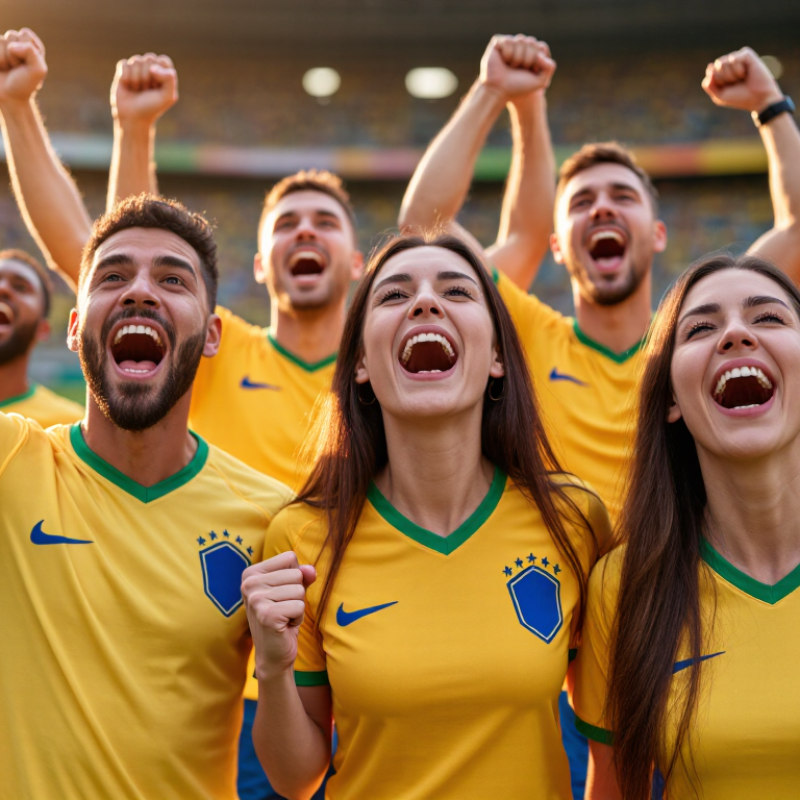
Why does the Brazil Football Shirt remain one of sport’s most recognisable products worldwide? Its appeal reaches far beyond match results. The vivid yellow fabric, green trim, and blue crest create an immediate visual identity. A supporter can recognise it from a crowded stadium, a street market, or a television screen.

FIFA reported that approximately five billion people engaged with the 2022 World Cup, while 1.5 billion watched the final. Brazil’s global visibility benefits from this enormous football audience. Deloitte’s Football Money League also shows how elite football increasingly depends on international commercial reach, merchandise, and brand loyalty. However, these reports measure football’s wider economy, not Brazil shirt sales alone. That distinction matters.

Sports marketing researcher Simon Chadwick has described football as “a global entertainment industry with powerful emotional connections.” His observation helps explain why the shirt works so effectively. It represents Brazilian flair, historic victories, and a familiar football culture. It also carries the memory of Pelé, Ronaldo, Ronaldinho, and countless children playing on concrete pitches.

The picture is not perfect. Some popularity comes from nostalgia rather than current performance. Counterfeit products and informal markets also complicate reliable sales comparisons. Still, official tournament visibility, cultural symbolism, and repeated exposure create exceptional demand. The Brazil Football Shirt is not merely clothing. It is a portable piece of football identity, though its meaning changes from one supporter to another.
Why Are Brazil Football Shirts So Popular Worldwide?

Origins and Evolution of Brazil’s Football Shirt

Origins and Evolution of Brazil’s Football Shirt

Brazil’s football shirt was not always yellow. Early national teams wore white, but that color became emotionally difficult after the 1950 World Cup defeat. In 1953, a new design introduced yellow, green trim, blue shorts, and white details. The colors reflected the national flag, not a commercial campaign. That decision gave the shirt a stronger visual identity.

Its design evolved with the game. Earlier versions used heavier cotton and looser cuts. Modern shirts use lighter fabrics, sharper panels, and tighter athletic shapes. The core colors remain recognizable from a distance. A yellow shirt can appear in a crowded stadium like a small piece of sunlight. FIFA reported that 1.5 billion people watched the 2022 World Cup final. Such global attention helps explain why national colors travel far beyond football grounds.

The shirt also carries historical memory. It recalls technical creativity, street football, and victories watched across generations. Deloitte’s Annual Review of Football Finance valued the European football market at €35.3 billion in 2022/23, showing football’s enormous commercial reach. Yet popularity is not only financial. People wear the shirt at family gatherings, local matches, and informal celebrations. That wider use gives it cultural power. Still, the story is not perfectly simple. A famous color can unite people, but it can also make history look cleaner than it was. Evolution matters because the shirt keeps changing, while its meaning remains unfinished.

The Meaning Behind Brazil’s Iconic Yellow and Green Colors

Brazil football shirts are popular worldwide because their colors communicate more than sport. Yellow reflects Brazil’s sunlight, energy, and optimism. Green connects with forests, fields, and the national flag. Blue details suggest the sky and national identity. Together, these colors create an image that feels bright, emotional, and instantly recognisable.

The meaning became stronger after Brazil’s major international successes in the late twentieth century. Yellow shirts became linked with creative play, confidence, and national pride. The tournament’s official 2022 audience report recorded about 1.5 billion viewers for the final. That enormous audience helped Brazil’s visual identity travel far beyond stadiums. Fans may not speak Portuguese, but they understand the colors. That is powerful. Still, this explanation is incomplete. Fashion, nostalgia, and memorable players also shape demand.

Tips: Choose a shirt with clear color contrast and breathable fabric. Check the fit before buying, especially around the shoulders. For everyday wear, pair yellow with denim or neutral trousers. A shirt should feel personal, not merely symbolic.

Some supporters wear the colors during matches. Others wear them while travelling, training, or meeting friends. This flexibility increases their cultural reach. The design works in a crowded stadium, but also on a quiet city street. Its emotional effect is real, although not universal. For some people, the yellow represents celebration; for others, it recalls pressure, defeat, or difficult national debates. That tension makes the shirt more human.

Why Are Brazil Football Shirts So Popular Worldwide?

The iconic yellow and green design is closely associated with Brazil’s national identity and its historic success at the FIFA World Cup.

Brazil won five FIFA World Cup titles: in 1958, 1962, 1970, 1994 and 2002. These victories helped make the yellow shirt a globally recognizable symbol of Brazilian football, while green reflects the national colors featured on Brazil’s flag.

Brazil’s Football Success and Its Global Influence

Why Are Brazil Football Shirts So Popular Worldwide?

Brazil’s Football Success and Its Global Influence

Brazil’s football success gives its shirt meaning beyond sport. The men’s national team has won the FIFA World Cup five times, more than any other country. Each victory strengthened the shirt’s public image. The yellow color suggests energy, while the green details recall Brazil’s national identity. In crowded streets, the design is easy to recognise.

Its influence also comes from the way Brazilian football is played. Skill, rhythm, quick movement, and creative passing have shaped how supporters view the game. Children wear the shirt on local pitches, even when they have no family connection to Brazil. I have noticed that this creates a sense of shared football culture. Still, it would be too simple to link popularity only to trophies. Social media, tourism, migration, and memorable players also carry the image worldwide. The shirt can represent joy, but it may also hide debates about access, inequality, and changing football traditions.

Tips: Choose a shirt for its meaning, not only its appearance. Check the fabric, stitching, and fit before buying. Learn the history behind the colors. Wearing it with respect matters. Some supporters may see it as cultural identity, not casual fashion.

Why Are Brazil Football Shirts So Popular Worldwide? — Brazil’s Football Success and Its Global Influence
Dimension Verified Fact Connection to the Shirt’s Global Appeal
FIFA World Cup titles Brazil has won the men’s FIFA World Cup five times: 1958, 1962, 1970, 1994 and 2002. Repeated success gives the national team’s colors a strong association with football history and achievement.
World Cup participation Brazil is the only country to have participated in every edition of the men’s FIFA World Cup through 2022. Its long-running presence on football’s biggest international stage keeps the team and its shirt familiar to audiences worldwide.
Copa América titles Brazil has won the Copa América nine times, most recently in 2019. Success in South America’s major national-team tournament adds to the shirt’s sporting significance beyond the World Cup.
Shirt design history Brazil’s familiar yellow shirt was adopted in the 1950s. The team had worn white in the 1950 World Cup final. The vivid yellow-and-green combination is distinctive and closely associated with Brazil’s national team identity.
Recognizable colors Brazil’s national flag features green, yellow, blue and white; the football team’s traditional kit prominently uses yellow and green. Clear, memorable colors help make the shirt easy to identify in stadiums, broadcasts and football culture.
Football heritage Brazilian players including Pelé, Ronaldo, Ronaldinho and Marta have become internationally recognized figures in football. Generations of celebrated players have helped connect Brazil’s national-team shirt with memorable performances and individual skill.
Global appeal Popularity is influenced by sporting history, recognizable design and cultural associations; the factors listed here are qualitative rather than sales statistics. For many supporters, wearing the shirt can express admiration for Brazil’s football tradition as well as support for the national team.

Design, Identity, and Recognition of the Brazil Shirt

Why Are Brazil Football Shirts So Popular Worldwide?

Design, Identity, and Recognition of the Brazil Shirt

Brazil football shirts are recognized through a strong visual language. The bright yellow body stands out in crowded stadiums and television images. Green trim adds contrast, while blue details create balance without weakening the main color. From a distance, the shirt remains easy to identify. That clarity is a major design strength.

Its identity goes beyond appearance. The colors connect the shirt with national symbols, shared memories, and a distinctive football culture. In many countries, people recognize the shirt before they see the player’s face. Wearing it can express admiration, belonging, or personal history. I have noticed this effect in international matches, where one yellow shirt can start a conversation between strangers.

Still, popularity should not be explained by color alone. Some versions feel more memorable because their details are simple and carefully spaced. Others appear too busy, especially when extra patterns compete with the yellow field. That weakness matters. Recognition depends on restraint, not decoration. I also think the shirt’s meaning changes between supporters: for some, it represents joyful football; for others, it carries pressure and high expectations. Designing such a symbol is never completely safe.

How Fans and Culture Made Brazil Shirts Worldwide Symbols

Brazil football shirts became worldwide symbols through people, not advertising alone. Fans wear them in stadiums, schoolyards, cafés, and crowded streets far from Brazil. The bright yellow catches attention immediately. Green details suggest forests, national pride, and a lively public culture. Together, these colors feel energetic before a match even begins.

From match-day observation, the shirt often creates instant recognition between strangers. A supporter in Lagos may celebrate with someone in Lisbon. A child in Seoul may copy a famous player’s movement while wearing the same colors. Football academies, migrant communities, and televised tournaments helped carry this image across borders. Songs, drums, dancing, and improvised street games add emotional meaning. The shirt becomes part of a shared performance.

Not every wearer follows Brazil closely. Some choose it because the design feels hopeful and confident. Others connect it with creative football, although that idea can simplify a diverse sporting history. I have noticed that fans sometimes treat the shirt as a costume, while others see it as personal identity. Both readings can exist. Its power comes from this tension: one garment can represent a nation, a childhood memory, or a weekend game with friends. The symbol remains strong because people keep giving it new stories.

FAQS

Why are Brazil football shirts popular worldwide?

Five World Cup victories gave the shirt strong public meaning. Its bright colors are easy to recognize in crowded streets. Trophies help, but they are not the whole story.

What do the shirt colors represent?

Yellow suggests energy and celebration. Green recalls national identity, while blue adds visual balance. The colors feel symbolic, not merely decorative.

How does Brazilian football influence the shirt’s popularity?

Skill, rhythm, quick movement, and creative passing shape its image. Children often wear the shirt on local pitches. Football culture travels easily.

Can people wear the shirt without being Brazilian?

Yes, many supporters wear it because they admire its football tradition. Some have no family connection with Brazil. Respect still matters.

Why is the shirt easy to recognize from far away?

The yellow body creates a strong visual field. Green trim and blue details add contrast. Simple spacing helps the design remain clear.

Does the shirt represent more than sport?

It can express admiration, belonging, or personal memories. A yellow shirt may begin conversations between strangers. Its meaning changes between supporters.

What should buyers check before choosing a shirt?

Check the fabric, stitching, and fit. Feel the material before buying, if possible. Appearance can mislead.

Can the design have weaknesses?

Yes, some versions may look too busy. Extra patterns can compete with the yellow background. I may be oversimplifying, but restraint often works better.

What wider issues can the shirt hide?

Its joyful image may hide debates about access, inequality, and changing traditions. Success creates pressure as well as pride. The symbol is not completely simple.

Conclusion

The Brazil Football Shirt has evolved from a national sports uniform into one of the most recognizable symbols in world football. Its history reflects Brazil’s changing football identity, while its bright yellow body, green details, and complementary colors represent energy, confidence, nature, and national pride. Over time, these elements have created a design that is instantly associated with Brazil, even when viewed far from a stadium.

Brazil’s success on the international stage greatly strengthened the shirt’s global influence. Memorable victories, gifted players, and an exciting style of play helped transform it into a symbol of creativity, skill, and celebration. Fans have embraced the shirt not only as sportswear but also as a cultural expression, wearing it at matches, festivals, and community events. Through football history, distinctive design, and passionate supporters, the Brazil Football Shirt has become a worldwide symbol of identity, unity, and the joyful spirit of the game.


Madeline

Madeline

Madeline is a dedicated marketing professional with a wealth of expertise in our company's core offerings. With a keen understanding of the industry, she brings a unique perspective to her role, consistently delivering high-quality content that highlights the superior aspects of our products. As......