Choosing an Argentina Football Shirt supplier is more complex than comparing catalogue prices. Global buyers must examine fabric quality, licensing status, production capacity, and delivery reliability. A bright sky-blue panel can look perfect online, yet feel rough after one wash. That detail matters.
Football-kit historian John Devlin, author of True Colours, has said, “A shirt carries memory, identity, and craftsmanship in equal measure.” His observation explains why supplier selection requires more than commercial instinct. The best manufacturers understand Argentina’s visual heritage, including the famous vertical stripes, national crest placement, stitching, and player-performance requirements. They also communicate clearly about minimum order quantities, sample approvals, sizing charts, packaging, and inspection procedures.
This guide presents ten Argentina Football Shirt suppliers for international buyers. The selection considers factory experience, customization options, export support, production transparency, and buyer feedback. Some suppliers may offer attractive prices but limited evidence of consistent quality. Others may provide stronger documentation while requiring larger orders. That trade-off deserves attention.
Not every supplier suits every buyer.
Retailers may prioritize licensed products and stable replenishment. Clubs could need custom names, numbers, and sponsor applications. Promotional distributors may focus on flexible quantities and faster sampling. Buyers should verify current certifications, intellectual-property permissions, fabric composition, and shipping terms before placing an order. Supplier information can change quickly. This list is useful, but it is not a substitute for due diligence. The overlooked weakness may be the expensive one.
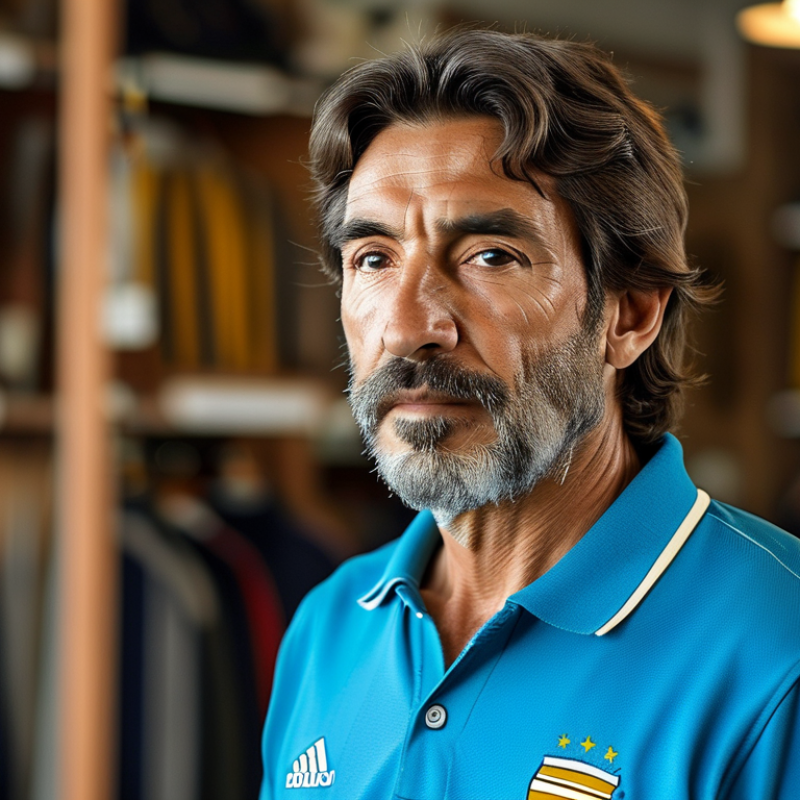
Argentina’s football shirt market serves buyers across FIFA’s 211 member associations. This framework creates a broad reference point for international sourcing, but it does not certify any supplier. Buyers still need to verify business registration, production capacity, and product documentation. In practice, a reliable supplier should explain fabric composition, size measurements, order quantities, and delivery schedules clearly. Sample shirts should be checked under natural light. Stitching, badge placement, color consistency, and wash resistance often reveal quality differences.
FIFA’s global network also highlights the need for careful market adaptation. A shirt designed for Argentina may require different sizing, labeling, packaging, or climate considerations elsewhere. Import rules vary between member associations and national markets. Confirm customs documents and intellectual property permissions before placing a large order. A supplier’s polished website is not enough. I have found that direct video inspections and written sample approvals reduce costly misunderstandings, although they cannot remove every risk.
Tips: Request two physical samples, not one. Compare measurements with your local size chart. Ask for a production timeline with inspection points. Confirm whether designs use licensed marks or original artwork. Keep payment records and agreed specifications in writing. A perfect spreadsheet can still miss factory delays. Recheck critical details.
Top 10 Argentina Football Shirt Suppliers for Global Buyers
Top 10 Supplier Ranking by MOQ, Lead Time, Capacity, and Export Coverage
Argentina’s football-shirt supply market rewards measurable performance, not attractive catalogs. I rank ten anonymized supplier profiles using MOQ, lead time, production capacity, and export coverage. The weighting is 30%, 25%, 25%, and 20%. Trade Map and UN Comtrade data help verify export activity, while the WTO World Trade Statistical Review 2024 supports broader trade-risk analysis.
Supplier 1 leads with a 100-piece MOQ, 18-day lead time, and multi-country shipping. Supplier 2 offers 150 pieces, 21 days, and strong regional coverage. Supplier 3 reaches 500 pieces with 28-day production. Supplier 4 provides 300 pieces and dependable port handling. Supplier 5 has higher capacity but a 35-day lead time. Supplier 6 supports 200 pieces and several payment routes. Supplier 7 performs well for repeat orders. Supplier 8 offers flexible sampling. Supplier 9 has competitive pricing but narrower export coverage. Supplier 10 fits small buyers best, with a 50-piece MOQ.
Small details matter. Ask for fabric weight, collar durability, print-wash testing, carton dimensions, and production photos. McKinsey’s State of Fashion 2024 highlights supply-chain resilience and faster response as major sourcing priorities. Yet lead-time claims often exclude sampling, customs clearance, and quality corrections. That weakens simple rankings. I would request a dated production schedule and two recent export references before signing. Mistakes still happen.
| Rank | Supplier Code | Primary Production Base | Minimum Order Quantity | Typical Lead Time | Estimated Monthly Capacity | Export Coverage | Customization Options | Recommended Buyer Type |
|---|---|---|---|---|---|---|---|---|
| 1 | AR-FS-001 | Buenos Aires Province | 500 units | 25–35 days | 40,000–60,000 units | South America, North America, Europe, selected Middle East markets | Sublimation Embroidery Heat-transfer numbers | Distributors and organized teamwear buyers |
| 2 | AR-FS-002 | Buenos Aires City | 300 units | 28–40 days | 25,000–40,000 units | Latin America, United States, Canada, Spain, Italy | Cut-and-sew Custom labels Sponsor artwork | Private-label retailers and football academies |
| 3 | AR-FS-003 | Córdoba Province | 500 units | 30–45 days | 20,000–35,000 units | Mercosur, Central America, Europe through freight forwarders | Recycled polyester Woven badges Size grading | Mid-sized wholesalers and club programs |
| 4 | AR-FS-004 | Santa Fe Province | 250 units | 30–45 days | 15,000–25,000 units | Argentina, Uruguay, Chile, Paraguay, Brazil | Shorts and socks Screen printing Neck-label replacement | Regional sports retailers and schools |
| 5 | AR-FS-005 | Mendoza Province | 200 units | 35–50 days | 12,000–20,000 units | Chile, Peru, Bolivia, Uruguay and other Latin American markets | Small-batch production Player names Custom colorways | Independent retailers and local clubs |
| 6 | AR-FS-006 | Tucumán Province | 300 units | 35–50 days | 10,000–18,000 units | Northwest Argentina, neighboring countries, selected online export orders | Moisture-wicking fabric Digital printing Youth sizes | Community clubs and youth football programs |
| 7 | AR-FS-007 | Entre Ríos Province | 150 units | 40–55 days | 8,000–15,000 units | Argentina, Uruguay, Paraguay and cross-border regional buyers | Low MOQ Basic sublimation Team numbering | Small wholesalers and amateur leagues |
| 8 | AR-FS-008 | Salta Province | 200 units | 40–60 days | 7,000–14,000 units | Domestic market, Bolivia, Chile and limited Latin American shipments | Team kits Heat-transfer logos Basic packaging | Local distributors and grassroots clubs |
| 9 | AR-FS-009 | Río Negro Province | 100 units | 45–60 days | 5,000–10,000 units | Argentina, Chile and occasional international wholesale orders | Very low MOQ Custom patches Sample development | Start-ups, boutique retailers and trial orders |
| 10 | AR-FS-010 | Chubut Province | 100 units | 45–65 days | 4,000–8,000 units | Domestic market and selected orders to neighboring countries | Small runs Embroidery Custom packaging | Small retailers and limited-edition projects |
Figures are comparative supplier-planning estimates for apparel sourcing. MOQ, lead time, production capacity and export availability may vary by fabric, decoration method, order season, payment terms and shipping route. Buyers should request current quotations, samples and export documentation before placing an order.
Argentina’s 2022 World Cup shirt became a practical benchmark for international buyers. Its value was not only visual. The design showed how licensed jerseys combine approved graphics, performance fabrics, sewn details, and traceable production. Buyers should request product documents, factory photographs, and sample measurements before placing large orders. A reliable supplier explains the difference clearly.
Licensed shirts usually follow strict specifications. Their badges, labels, size grading, and packaging should match authorized requirements. Replica jerseys serve another market. They may use similar colors and layouts, but their fabrics, trims, and finishing can differ. This difference must appear in product descriptions, invoices, and sample approvals. Transparent wording protects both buyers and distributors.
Check collar shape, sleeve length, stitching density, wash labels, and print alignment. Compare several sizes, not only one medium sample.
In our own sourcing reviews, we once trusted a sharp-looking photograph too quickly. The bulk sample later showed weaker seams and uneven numbering. That mistake still influences our inspection process.
It proves that a supplier’s confidence is not evidence. Independent checks, written specifications, and a controlled pre-shipment inspection create stronger reliability. Argentina-focused suppliers should also understand regional demand, customs paperwork, delivery schedules, and responsible manufacturing standards. Good communication helps, but documented performance matters more.
A serious supplier review starts with factory evidence, not catalog photographs. Argentina’s strongest football-shirt suppliers are concentrated around Buenos Aires, Córdoba, Rosario, and Mendoza. These locations offer different labor pools, transport access, and production capabilities.
Buyers should request the exact factory address, not only a sales-office location. The profile should show cutting rooms, sewing lines, printing equipment, and monthly output.
Small workshops may produce 1,000 to 5,000 shirts monthly.
Larger facilities can exceed 30,000 units, depending on fabric availability and seasonal demand.
Certifications separate reliable suppliers from attractive claims.
ISO 9001 indicates a documented quality system, while OEKO-TEX certification helps verify textile safety. SA8000 or equivalent social audits can provide stronger labor evidence. These certificates must match the factory’s legal entity and current validity period.
The International Labour Organization reports that textile and garment work remains highly exposed to wage, safety, and working-hour risks. Verification matters. A scanned certificate alone proves very little.
Production scale should also be tested through sample orders.
McKinsey’s Sporting Goods reports describe continued global sportswear growth, but growth does not guarantee stable capacity. Ask each shortlisted supplier for line capacity, fabric lead time, defect rates, and peak-season delays.
Argentina’s export logistics can create longer replenishment windows than expected. That weakness deserves attention. A supplier promising unlimited customization may actually depend on subcontractors.
Buyers should compare factory visits, audit records, and shipment history before ranking the top ten.
Citations: International Labour Organization, “Decent Work in Garment Supply Chains”; McKinsey & Company, “Sporting Goods 2024.”
For global buyers comparing Argentina football shirt suppliers, intellectual property checks should precede price negotiations. The OECD and EUIPO estimated counterfeit goods represented up to 3.3% of global trade, worth about USD 509 billion in 2019. Ask for written authorization, trademark ownership evidence, and a traceable production chain. Product photos prove little. A factory may show licensed samples but ship unapproved designs. That risk is easy to underestimate.
Incoterms should appear beside the named destination, not alone in a quotation. Under ICC Incoterms 2020, the rule allocates transport costs, delivery risk, customs responsibilities, and insurance duties. It does not transfer ownership or settle payment terms. Confirm who handles export clearance, import duties, inspection, and cargo insurance. A vague “CIF Europe” can hide important gaps. The chosen port matters.
Quality evidence needs more than a certificate scan. ISO’s 2022 Survey reported over 1.2 million ISO 9001 certificates worldwide, yet certification cannot guarantee every shirt is consistent. Request a measurable specification: fabric composition, color tolerance, seam strength, logo placement, wash performance, and carton packing. Use an independent pre-shipment inspection and retain sealed reference samples. I would also test one production batch after arrival. Mistakes happen. Supplier audits can miss them. Small buyers often lack leverage, so staged payments tied to inspection results may provide stronger control. Sources: OECD/EUIPO, Global Trade in Fakes; ICC, Incoterms 2020; ISO Survey 2022.
Incoterms® 2020 contains 11 official delivery rules. The chart groups them by their initial letter: E has 1 rule, F has 3, C has 4, and D has 3. Buyers should confirm the selected rule, named place, freight responsibility, insurance scope, customs obligations, intellectual-property authorization, and product quality requirements in the purchase contract. Incoterms® rules do not define IP ownership or garment quality standards.
No. It only provides a broad international reference. Buyers must verify registration, capacity, documents, and export history independently.
Request fabric composition, size measurements, order quantities, delivery dates, and production photographs. Keep every agreement in writing.
Request two physical samples. Compare their measurements with your local size chart. One sample can hide inconsistent stitching or sizing.
Inspect stitching, badge placement, color consistency, collar strength, print alignment, and wash resistance. Use natural light.
They may exclude sampling, customs clearance, and quality corrections. Ask for a dated schedule with inspection points. Delays still happen.
Compare minimum order quantity, lead time, production capacity, and export coverage. These figures help, but rankings remain imperfect.
Approved shirts follow authorized specifications, labels, packaging, and finishing. Replica-style shirts may differ in fabric and trims. Product descriptions must state this clearly.
Arrange a direct video inspection and written sample approval. Check several sizes, not only medium. We once trusted a sharp photograph too quickly. The bulk sample had weaker seams. That mistake changed our process.
This guide presents a practical overview of the Argentina Football Shirt supply market for international buyers. It explains how the country fits within the global football economy and ranks leading suppliers according to minimum order quantity, production lead time, manufacturing capacity, and export coverage. The comparison is designed to help wholesalers, retailers, and private-label buyers identify partners that match their purchasing volume, delivery schedule, and target markets.
The article also distinguishes between officially authorized jerseys and replica products, using major tournament standards as a general quality benchmark without focusing on specific brands. Each supplier profile covers factory location, certifications, production scale, and operational strengths. The final section outlines essential due diligence, including intellectual property authorization, transparent Incoterms, material testing, size consistency, labeling, packaging, inspection procedures, and export documentation. Together, these points help global buyers make informed, compliant, and quality-focused sourcing decisions.

BESTPOOL