Personalized Football Jersey production is moving from a club service into a global sportswear opportunity. European football generated €35.3 billion during the 2022/23 season, according to Deloitte’s Annual Review of Football Finance. That commercial scale supports demand for replica shirts, supporter names, youth-team kits, and limited custom designs. Grand View Research also valued the global sports apparel market at more than US$200 billion in recent estimates. Yet market size alone does not identify a dependable manufacturer.
Sports-business scholar Simon Chadwick captures this wider shift: “Football is no longer simply a sport; it is a global business.” His observation matters here. A jersey now carries identity, memory, and visible belonging. The strongest suppliers combine accurate club-style detailing, breathable polyester, stable heat-transfer printing, and consistent sizing. Production speed matters too. A late shirt can miss a tournament, birthday, or team presentation. This ranking examines ten manufacturers worldwide through customization range, minimum order quantities, fabric quality, sample approval, delivery capability, and communication standards.
The evidence is not perfectly uniform. Public reports often combine football apparel with broader sportswear categories. Manufacturer claims can also be difficult to verify independently. That weakness deserves attention. A low price may hide thinner fabric, inconsistent lettering, or costly revisions. The final selection therefore considers documented experience, customer feedback, production transparency, and practical quality checks. Readers should still request a physical sample before ordering. One careless measurement can undermine an otherwise excellent Personalized Football Jersey.
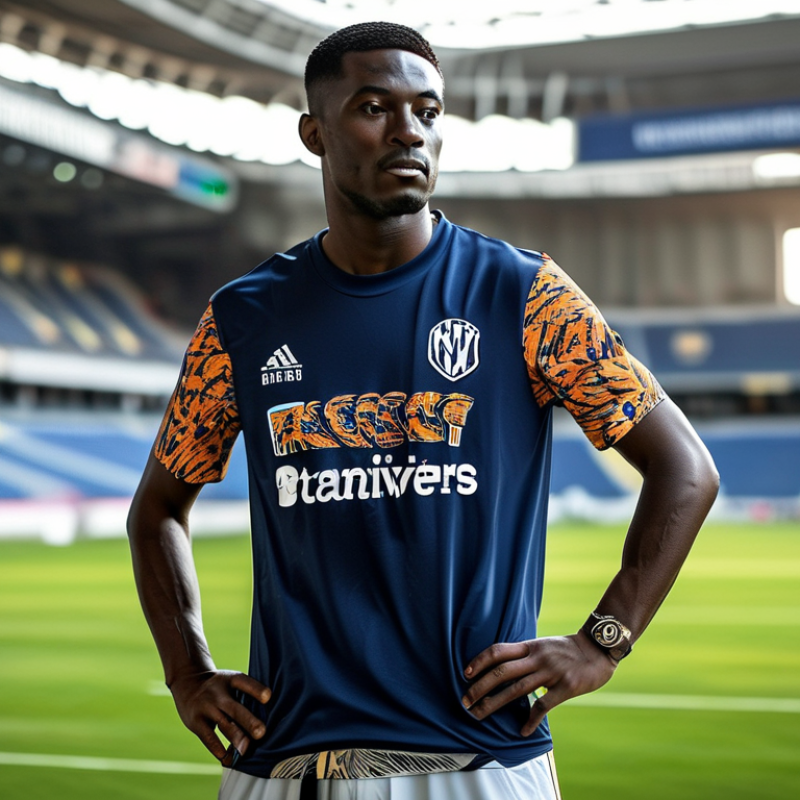
Personalized football jersey manufacturing starts with player data, not decoration. A factory converts names, numbers, sizes, and club artwork into a controlled production file. Pattern makers then adjust the torso, sleeves, collar, and armhole for movement. Even a two-centimetre error can change shoulder comfort.
Most modern jerseys use polyester because it dries quickly and holds printed color well. Textile Exchange’s Materials Market Report 2024 states that polyester represented about 59% of global fiber production in 2023. Manufacturers usually choose sublimation for full-color designs, screen printing for simpler graphics, and heat-applied films for small orders. The correct method depends on fabric structure, order volume, and durability targets. Small details matter.
Quality control follows several checkpoints. Operators inspect fabric weight, color consistency, seam strength, print alignment, and size measurements. AATCC TM61 provides an accelerated laundering method for evaluating color durability, although factory testing cannot perfectly reproduce every athlete’s washing habits. That limitation deserves attention. A jersey may pass a laboratory test yet fail after repeated hot washing, rough drying, or poor storage. Reliable manufacturers therefore compare pre-production samples with finished pieces, record deviations, and test random units before shipment. Human review still matters. It catches mistakes software misses.
| Rank | Manufacturer Profile | Typical Production Region | Primary Fabric | Personalization Method | Typical MOQ | Typical Lead Time | Best-Suited Customers | Key Manufacturing Strength |
|---|---|---|---|---|---|---|---|---|
| 01 | Large-Scale Teamwear Producer | East and Southeast Asia | Recycled polyester or standard polyester | Sublimation printing with optional heat-transfer names and numbers | 50–100 pieces | 25–45 days | Football clubs, academies, schools, and tournaments | Consistent bulk production and broad size coverage |
| 02 | On-Demand Digital Printing Facility | Western Europe and North America | Polyester performance knit | Direct-to-garment or transfer printing | 1–20 pieces | 3–10 business days | Individual supporters, small teams, and event organizers | Low minimum quantities and fast artwork changes |
| 03 | Premium Cut-and-Sew Manufacturer | Southern Europe and Türkiye | Lightweight polyester mesh | Cut-and-sew panels, embroidered badges, and applied lettering | 30–100 pieces | 30–50 days | Professional-style teams and premium retail collections | Detailed construction, reinforced seams, and refined finishing |
| 04 | Sublimation Specialist | South Asia | Moisture-wicking polyester | All-over dye sublimation integrated into the fabric | 20–50 pieces | 20–35 days | Clubs requiring complex patterns and full-color designs | No peeling vinyl layer and strong graphic flexibility |
| 05 | Eco-Focused Sportswear Factory | Europe and selected Asian markets | Recycled polyester certified to recognized textile standards | Sublimation, recycled heat transfers, and woven labels | 50–150 pieces | 30–60 days | Environmentally focused clubs and institutional buyers | Material traceability and lower-impact fabric options |
| 06 | Short-Run Custom Apparel Workshop | North America and Oceania | Polyester interlock or birdseye mesh | Digital transfers, vinyl lettering, and small-batch embroidery | 5–30 pieces | 7–21 days | Local leagues, fan groups, and recreational teams | Flexible revisions and personalized player-by-player orders |
| 07 | High-Volume Export Manufacturer | East Asia | Polyester mesh with stretch panels | Sublimated body graphics and screen-printed or heat-applied details | 100–500 pieces | 35–70 days | Wholesalers, distributors, and national sports programs | Scalable capacity and competitive unit pricing |
| 08 | Technical Performance Jersey Maker | Central Europe and Asia | Breathable polyester with elastane or mesh zones | Sublimation combined with ergonomic panel placement | 50–200 pieces | 35–60 days | Competitive teams and performance-oriented academies | Ventilation, moisture management, and athletic fit development |
| 09 | Traditional Embellishment Producer | Latin America and Europe | Polyester jersey fabric | Embroidered crests, stitched names, and heat-applied numbers | 20–100 pieces | 20–45 days | Community clubs and heritage-style football collections | Tactile decoration and durable badge application |
| 10 | Integrated Design-to-Production Supplier | Multiple global manufacturing hubs | Polyester, recycled polyester, and blended performance fabrics | Digital design approval followed by sublimation, transfers, or embroidery | 10–100 pieces | 15–40 days | Brands, clubs, schools, and multi-location organizations | Centralized sampling, artwork control, and repeat-order management |
Note: MOQ and lead-time figures are typical industry ranges for customized football jerseys. Actual requirements vary according to fabric selection, artwork complexity, size breakdown, decoration method, order quantity, sampling, and shipping terms.
: Look for consistent sizing, durable fabric, strong collars, neat stitching, and clear production timelines. Small details matter. Factory information and clear communication also build trust.
Yes, request one sample before approving a full batch. Wash it repeatedly and stretch the seams gently. Inspect printed numbers under direct light. This slower step can prevent expensive mistakes.
Polyester dries quickly and handles repeated washing. Mesh panels can improve airflow around the back and underarms. Recycled polyester may reduce waste, but softness varies between suppliers.
Ask about collar shapes, sleeve cuts, badge positions, colors, names, and numbers. Digital proofs should show every placement clearly. Check measurements carefully.
Sublimation works well for detailed patterns because ink enters the fabric. Heat-transfer lettering suits smaller orders. Embroidery adds texture, but heavy stitching may irritate the skin.
Compare the sample with the approved artwork under natural daylight. Wash the jersey and inspect fading, peeling, and color changes. Small numbering shifts become noticeable across a whole team.
Ask about fabric weight, shrinkage, seam strength, size tolerances, and replacement procedures. Confirm that customization stays consistent across all sizes. Written approvals help reduce confusion.
No ranking is flawless. A supplier experienced with large teams may not suit a small school budget. Shipping costs, customs requirements, and response times can change the real value. I might still overlook something. Check the sample yourself.
This guide explores how Personalized Football Jersey manufacturing combines creative design, technical planning, and efficient production. It explains the main stages, from selecting artwork, colors, names, numbers, and badge placements to preparing digital files, choosing suitable fabrics, and applying designs through methods such as heat transfer, embroidery, or advanced printing. It also outlines the key criteria for evaluating manufacturers worldwide, including customization flexibility, material quality, production capacity, communication, consistency, and customer support.
The article compares the features that matter most when ordering customized jerseys, including breathable fabrics, durable stitching, accurate color reproduction, sizing options, and performance-focused construction. It also reviews typical ordering procedures, sample approvals, quality inspections, packaging, delivery schedules, and international shipping options. By understanding these factors, teams, clubs, schools, businesses, and individual supporters can make informed decisions and select a manufacturing partner capable of delivering reliable, comfortable, and professionally finished jerseys for different needs and occasions.

 BESTPOOL