Buying Retro Soccer Jerseys in bulk sounds simple until quality, sizing, and supplier reliability enter the picture. A polished catalog can hide thin fabric, inaccurate colors, or inconsistent stitching. In practice, experienced buyers inspect supplier records before discussing large quantities. They request clear photographs, fabric details, size charts, and a physical sample whenever possible. One sample can reveal more than twenty product images.
Reliable wholesale sources may include established sportswear manufacturers, licensed distributors, vintage clothing wholesalers, and specialist online marketplaces. Each option has different strengths. Manufacturers may offer better pricing and customization. Vintage wholesalers may provide genuine older garments, but stock is often limited. Licensed distributors usually offer stronger documentation, though their prices can be higher. Check minimum order quantities, production timelines, payment terms, and return policies carefully.
Details matter.
A practical buyer should compare stitching around the collar, badge placement, sponsor printing, and fabric weight. Measurements should be checked against your customers’ expectations, not assumed from standard labels. Ask whether the jerseys are officially licensed, vintage originals, or retro-inspired reproductions. That distinction affects pricing, marketing language, and customer trust. Legal compliance also matters, especially when using club names, crests, league marks, or sponsor logos.
The cheapest quote may become expensive after defects, delays, or rejected stock appear. I have seen buyers focus too heavily on unit price and overlook packaging quality. That mistake is easy to repeat. A careful purchasing process includes written specifications, sample approval, secure invoices, and documented communication. This guide explores where to buy Retro Soccer Jerseys in bulk while balancing authenticity, affordability, and dependable service. Claims should be tested, not blindly accepted.
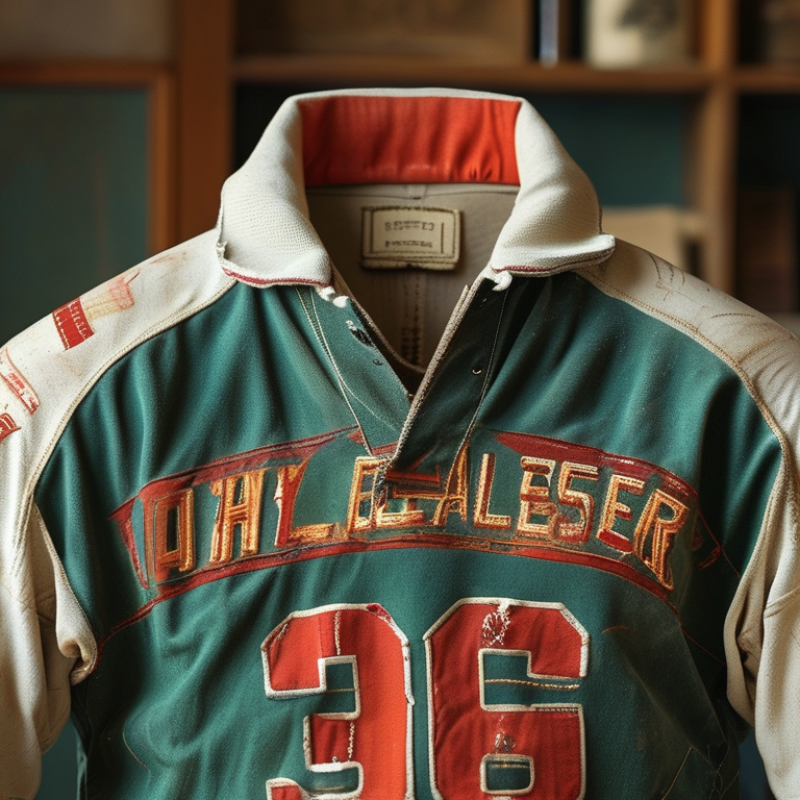
Where to Buy Retro Soccer Jerseys in Bulk?
Define Your Bulk Retro Soccer Jersey Requirements
Bulk retro soccer jersey sourcing starts with a precise buying brief. Set the quantity, size ratio, era, fabric, color range, and acceptable condition. A useful brief might request 500 pieces, with 60% medium and large sizes, plus measurable grading standards. Specify faded prints, loose threads, missing labels, and visible repairs. Small details prevent expensive arguments later.
Demand also needs evidence. The 2024 ThredUp Resale Report projects the United States secondhand apparel market will reach 73 billion dollars by 2028. That growth supports resale interest, but it does not guarantee every retro design will move quickly. Deloitte’s Annual Review of Football Finance 2024 valued the European football market at 35.3 billion euros for 2022/23. The figure shows strong commercial depth, not automatic demand for old shirts. Test your audience before committing.
Ask suppliers for dated stock photographs, measurement charts, fabric composition, and packing details. Request random samples from different cartons. Check stitching, badge placement, color consistency, and odor under bright light. A certificate alone is not enough. I have seen attractive sample photos hide uneven bulk stock. That risk deserves a written allowance for replacements or credit. Confirm delivery windows, inspection periods, and lawful resale documentation before payment. Keep records. Bulk buying is less glamorous than collecting, but the spreadsheet often reveals the real value.
Where to Buy Retro Soccer Jerseys in Bulk?
Wholesale suppliers suit buyers who need consistent sizing, repeat orders, and predictable packaging. Their catalogs often include similar designs across several size ranges. Ask for a current stock sheet, fabric details, measurement charts, and clear product photographs. Details matter. A reliable supplier should explain delivery times, minimum order quantities, and return procedures before payment. Request a sample first. One sample can reveal thin fabric, uneven stitching, or inaccurate sizing.
Vintage sportswear markets offer more character and harder-to-find designs. However, stock is usually mixed, limited, and less uniform. One rack may contain faded cotton shirts, repaired seams, and different labels. That variety can attract collectors and independent retailers. It can also complicate bulk sales. Inspect every piece under bright light. Check stains, odors, loose threads, damaged prints, and signs of unauthorized reproduction. Ask where the garments came from and request purchase records when available.
Wholesale pricing may look simpler, but quality can change between production batches. Vintage pricing may seem high for individual items, yet rare pieces can create stronger visual appeal. The comparison is not perfect. I would record cost per wearable item, not cost per garment. Include cleaning, sorting, shipping, duties, and possible rejects. Also confirm that designs and images can be resold in your market. A polished spreadsheet cannot replace physical inspection. Some buying decisions still rely on judgment, and that judgment can be wrong.
| Sourcing Channel | Typical Minimum Order | Typical Lead Time | Product Condition | Common Size Availability | Customization | Indicative Bulk Price per Item | Best Suited For |
|---|---|---|---|---|---|---|---|
| Specialized Wholesale Distributor | Usually 10–50 pieces per style or mixed-case order | 3–14 business days for available stock | New, overstock, or factory-closeout merchandise; condition should be confirmed | More consistent size runs, commonly adult S–XXL | Usually limited; printing may be available as a separate service | Approximately US$15–45 | Retailers and event sellers needing predictable inventory |
| Direct Apparel Manufacturer | Often 50–300 pieces per design; varies by fabric and decoration | 4–12 weeks, including sampling and production | Newly produced garments made to order | Size ratios can be requested, subject to the production plan | Usually available for colors, labels, artwork, names, and numbers | Approximately US$12–35 before shipping, duties, and setup charges | Organizations requiring a custom retro-style collection |
| Vintage Sportswear Market | No formal minimum; bulk purchases depend on seller inventory | 1–10 business days after payment, depending on seller location | Usually pre-owned; may include unused old stock, repaired items, or visible wear | Irregular and limited; uncommon sizes are harder to source in quantity | Normally unavailable; alterations can reduce collector value | Approximately US$25–150 or more, depending on age, rarity, and condition | Curated stores, collectors, and sellers seeking authentic period pieces |
| Vintage Wholesale Bales or Mixed Lots | Commonly sold by weight or lots of 20–100+ garments | 5–21 business days, depending on grading and packing | Mixed used condition; stains, repairs, missing labels, and non-soccer items may occur | Unsorted or partially sorted; size distribution is not guaranteed | Not normally available | Approximately US$6–25 per item before sorting and wastage | Resellers with grading experience and tolerance for uneven quality |
| Auction and Consignment Listings | One item per listing; multiple purchases require separate availability | 3–14 business days after the sale closes | Condition ranges from new with tags to heavily worn; photographs and descriptions are essential | Highly variable and usually difficult to standardize | No seller customization; preserve original details when possible | Approximately US$20–200+, depending on scarcity and buyer demand | Buyers prioritizing rare designs over uniform bulk stock |
| Reproduction and Custom Print Supplier | Often 10–100 pieces, depending on printing and garment specifications | 2–8 weeks for samples, production, and decoration | New reproduction garments; not original vintage merchandise | Generally easier to request a full adult size range | Usually strong; artwork, names, numbers, patches, and packaging may be supported | Approximately US$18–50 | Teams, campaigns, merchandise stores, and themed events |
| Local Vintage Fairs and Thrift Markets | No minimum; negotiated multi-item purchases may be possible | Immediate collection or 1–7 business days for local shipping | Mostly pre-owned, with condition varying by individual garment | Small and unpredictable selection | Not available from the seller | Approximately US$10–100+, depending on the item and market | Buyers who want to inspect fabric, stitching, labels, and damage in person |
Note: Prices, minimum order quantities, delivery times, and inventory conditions are indicative market ranges and should be confirmed with each seller before placing a bulk order. Import duties, taxes, shipping, authentication, and platform fees are generally excluded.
Buying retro soccer jerseys in bulk requires more than comparing unit prices. A convincing product should survive close inspection. Check the badge alignment, collar shape, seam density, fabric weight, wash label, and size measurements. Ask for detailed photographs and one physical sample before approving a large order. Small flaws become expensive at scale.
Licensing International’s 2024 Global Licensing Industry Study valued sports-licensed merchandise sales at about $32.9 billion in 2023. That demand also attracts inaccurate reproductions. Request purchase records, production details, and a written authenticity statement. Serial numbers can help, but they are not proof alone. Compare them with stitching, typography, fabric texture, and historical design references.
Quality testing should include colorfastness after washing, shrinkage, print adhesion, and seam strength. Textile Exchange’s Materials Market Report 2024 reported polyester represented roughly 59% of global fiber production in 2023, so fiber content deserves attention. For customization, confirm embroidery or heat-transfer methods, artwork placement, player-name spacing, and acceptable measurement tolerances. Get a digital proof first. Custom work is rarely perfect on the first attempt. I once underestimated sleeve placement, and the final result looked uneven. Suppliers should explain minimum quantities, replacement policies, production timelines, and inspection procedures clearly. Keep every approval record.
When sourcing retro soccer jerseys in bulk, I start with a written cost sheet, not a colorful catalog. In recent wholesale checks, prices ranged from $12 to $32 per piece. Fabric, stitching, printing, and order volume affected the final figure. Low prices can hide thin collars or inconsistent sizing. Ask for a sample before committing. It is a small expense. A dependable supplier should clarify labels, packing, inspection, and approved designs. Request current photos and a measured size chart, because “adult large” varies between factories.
Minimum order quantities often range from 20 to 100 pieces per style or color. Confirm whether mixed sizes count toward the minimum. Some suppliers allow mixed designs, but charge more per unit. Shipping quotes deserve equal attention. Compare air freight, sea freight, and courier delivery by total landed cost, not speed alone. A carton of jerseys can look inexpensive until dimensional weight appears. I once focused too heavily on unit price. That was a costly mistake.
Before payment, review the commercial invoice, packing list, product classification, and country-of-origin details. Ask who handles customs clearance, duties, taxes, and unexpected port fees. Delivered-duty-paid terms may simplify budgeting, while delivered-at-place terms can leave import charges to you. Written terms matter. Check the refund process for shortages, defects, or late production. Also verify that the designs are legally authorized for sale in your market. Keep every quotation and approval record. Small gaps become expensive disputes.
A secure bulk order begins with supplier verification, not a low price. Request business details, production photos, fabric information, and recent customer references. Ask whether the retro designs are properly licensed and whether size measurements follow a clear chart. Small details matter.
Use a written quotation before paying. It should list quantities, jersey specifications, unit prices, shipping charges, production dates, and return conditions. Choose a payment method with transaction records and avoid sending money through unclear personal channels. Confirm the delivery address carefully. A missing apartment number can delay an entire carton.
I learned this the hard way.
When the jerseys arrive, inspect the package before signing for delivery. Photograph damaged cartons, loose stitching, incorrect labels, and color differences. Count every size and compare them with the packing list. Check collars, sleeve seams, badges, printing, fabric weight, and odor. A sample jersey may look excellent, while the full order feels different. That possibility deserves attention.
Record problems immediately and contact the supplier with clear photos. Do not wash or distribute questionable items before resolving them. Keep invoices, messages, inspection notes, and shipping documents together. This process may seem slow, especially during a match-season deadline, but careful evidence protects the order and reveals weak purchasing decisions.
: State the quantity, size ratio, era, colors, fabric, and condition standards. For example, request 500 pieces with 60% in medium and large sizes. Define acceptable fading, loose threads, missing labels, and visible repairs. Small details prevent costly disagreements.
Study local resale interest, but do not trust market growth alone. Old designs may attract collectors yet sell slowly in your area. Test a small selection through customer surveys or limited listings. Demand estimates can still be wrong.
Ask for dated stock photographs, measurement charts, fabric composition, and packing details. Request random samples from different cartons. One sample is useful, but it cannot reveal every batch problem. Keep written records of all promises.
Inspect stitching, badge placement, colors, fabric weight, and measurements. Use bright light to find stains, fading, loose threads, and damaged prints. Check each garment for unusual odors. Look closely.
Wholesale suppliers usually offer more consistent sizing and repeat-order potential. Vintage markets provide rarer designs and stronger visual character. Their stock may include mixed sizes, repairs, and different fabric types. Neither option is perfect.
Calculate cost per wearable item, not simply cost per garment. Include sorting, cleaning, shipping, duties, packaging, and possible rejects. A low unit price may hide many unusable pieces. The spreadsheet can mislead.
Confirm minimum quantities, delivery windows, inspection periods, and replacement procedures. Ask whether damaged items qualify for credit or replacement. Verify lawful resale documentation for your market. Do this before payment.
Compare supplier measurements with familiar clothing measurements. Do not rely only on stated sizes. Measure chest width, body length, and sleeve length from samples. Record differences across cartons. I would allow extra time for sorting.
Buying Retro Soccer Jerseys in bulk starts with defining your exact requirements, including quantities, sizes, styles, eras, color preferences, and whether customization is needed. Compare several wholesale suppliers and vintage sportswear marketplaces by reviewing their product catalogs, seller history, communication standards, and customer feedback. Before placing an order, request clear photos, detailed measurements, fabric information, and proof of authenticity where applicable. This helps confirm that the jerseys meet your expectations for quality, condition, and design.
Next, evaluate the total cost rather than focusing only on the unit price. Consider minimum order quantities, customization fees, packaging, shipping charges, delivery times, taxes, and import responsibilities. Choose a secure payment method that offers suitable buyer protection, and confirm all terms in writing. When the shipment arrives, inspect the Retro Soccer Jerseys promptly for correct quantities, sizing, workmanship, damage, and consistency with the agreed specifications. Document any issues immediately and contact the supplier with supporting evidence to seek a fair resolution.
BESTPOOL