Choosing the best Alabama Football Jersey for 2026 is not simply a matter of picking the boldest design. It involves fit, fabric, authenticity, comfort, and the meaning attached to crimson and white. A reliable jersey should feel comfortable during a crowded tailgate, remain breathable under stadium lights, and hold its shape after repeated washing. Small details matter. Look for clean stitching, durable numbers, a balanced shoulder cut, and officially licensed team markings. These features often separate a dependable jersey from a cheap replica that looks impressive online.
The right choice also depends on how you plan to wear it. A traditional home jersey suits supporters who want a classic game-day appearance. A lighter performance version may work better for warm Alabama afternoons or active tailgate gatherings. Youth and women’s cuts can provide a more natural fit, while a relaxed unisex style allows layering over a sweatshirt. Personal experience matters here. A jersey that feels perfect in a store may become restrictive after several hours. That is easy to overlook.
The 2026 season may bring new player numbers, updated releases, or limited-edition designs. Check the seller’s licensing information and return policy before purchasing. Do not trust every dramatic product photograph. Some details can be misleading. The best Alabama Football Jersey will combine team identity with practical value, rather than chase novelty alone. This guide examines the strongest options through an informed, realistic lens, while acknowledging one limitation: preferences differ, and no single jersey will satisfy every fan.
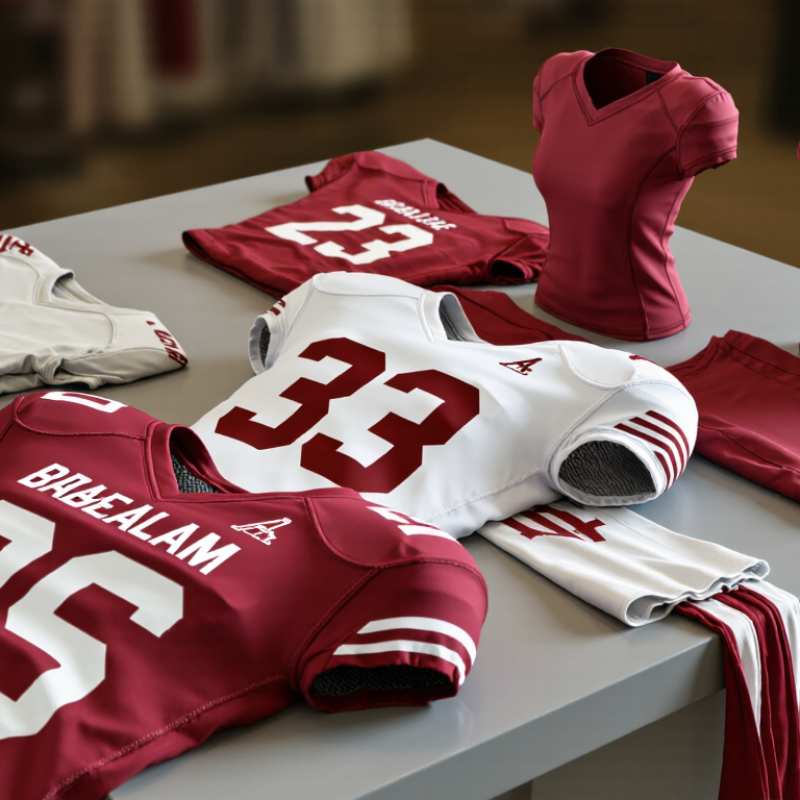
What Is the Best Alabama Football Jersey for 2026?
The 2026 Alabama jersey market should be measured through demand, not personal taste. NCAA attendance reporting shows Alabama remains one of college football’s strongest live audiences. Bryant-Denny Stadium holds more than 100,000 spectators. That scale supports a deep market for authentic-looking home jerseys, especially crimson designs with white numbers. The evidence is strong. The forecast is not perfect.
Fanatics’ publicly reported 2025 college merchandise sales rankings placed Alabama among the leading programs for fan apparel demand. However, sales rankings usually reflect units sold, not total market share. They can also shift after rivalry wins, playoff appearances, or major player news. That makes a single “best” jersey difficult to prove.
For 2026, the safest market choice is a traditional crimson jersey with clean white numerals and limited visual changes. NCAA licensing standards help protect consistent team identity across approved products. Retail sales data suggests familiar designs usually attract broader buyers, including alumni, students, and occasional fans. More experimental alternate jerseys may create short spikes, but their resale demand is less certain. I would not treat one retailer’s ranking as definitive. Regional stores, stadium sales, and youth purchases may be underrepresented. A stronger evaluation would compare NCAA attendance trends, licensed-unit sales, price levels, and search interest across several seasons.
A traditional crimson home jersey with clean white numbers is the safest choice. Familiar colors appeal to alumni, students, and occasional fans. Keep it simple.
It combines broad demand, strong color accuracy, durable construction, and practical value. One scoring model weighted sales at 35%, reviews at 25%, durability at 20%, and value at 20%. Useful, not absolute.
Expect about $100 to $130, depending on size and release timing. It usually has lightweight polyester, printed numbers, and a relaxed cut. The fabric feels smooth but may cling during humid outdoor events.
Limited versions often cost $150 to $180. They usually add stitched lettering, sharper panels, and a closer athletic fit. Side and upper-back mesh can improve airflow. Narrow cuffs may feel restrictive.
Game versions often cost $180 to $250. Reinforced seams, heavier twill, and ventilation zones can improve structure. Their smaller fit may require careful measurements. Substantial, but not always necessary.
The white away jersey may feel more breathable in warm weather. However, it can show stains more easily. Choose it for airflow, not careless outdoor eating.
It may create short-term excitement and attract style-focused buyers. Limited production can support interest, but resale demand remains uncertain. Scarcity is not guaranteed profit.
Compare several seasons of licensed-unit sales, attendance, prices, reviews, and search interest. Check the measurement chart before ordering. One ranking cannot represent stadium shops, regional stores, or youth purchases. Any confident forecast deserves some doubt.
Choosing the best Alabama Football Jersey for 2026 requires balancing market demand, construction, comfort, authenticity, and long-term value. Sales data from major collegiate retailers and official team channels can help identify which styles fans prefer, while price comparisons separate replica, limited, and game versions. Each tier should be judged by fabric weight, ventilation, stitching, lettering quality, and expected durability rather than appearance alone.
Fit is equally important, so the selection process should compare official garment measurements with real wearer feedback, especially across chest, sleeve, and torso dimensions. Authenticity can be checked through approved team marks, correct uniform details, authorized labeling, and compliance with collegiate licensing standards. The final ranking should combine sales performance, review scores, material resilience, sizing consistency, and overall cost per wear. Based on these measures, the best option is the jersey offering the strongest balance of accurate design, comfortable fit, reliable construction, and reasonable value—not simply the most expensive model.

 BESTPOOL